
What Really Happens in the Interview Room
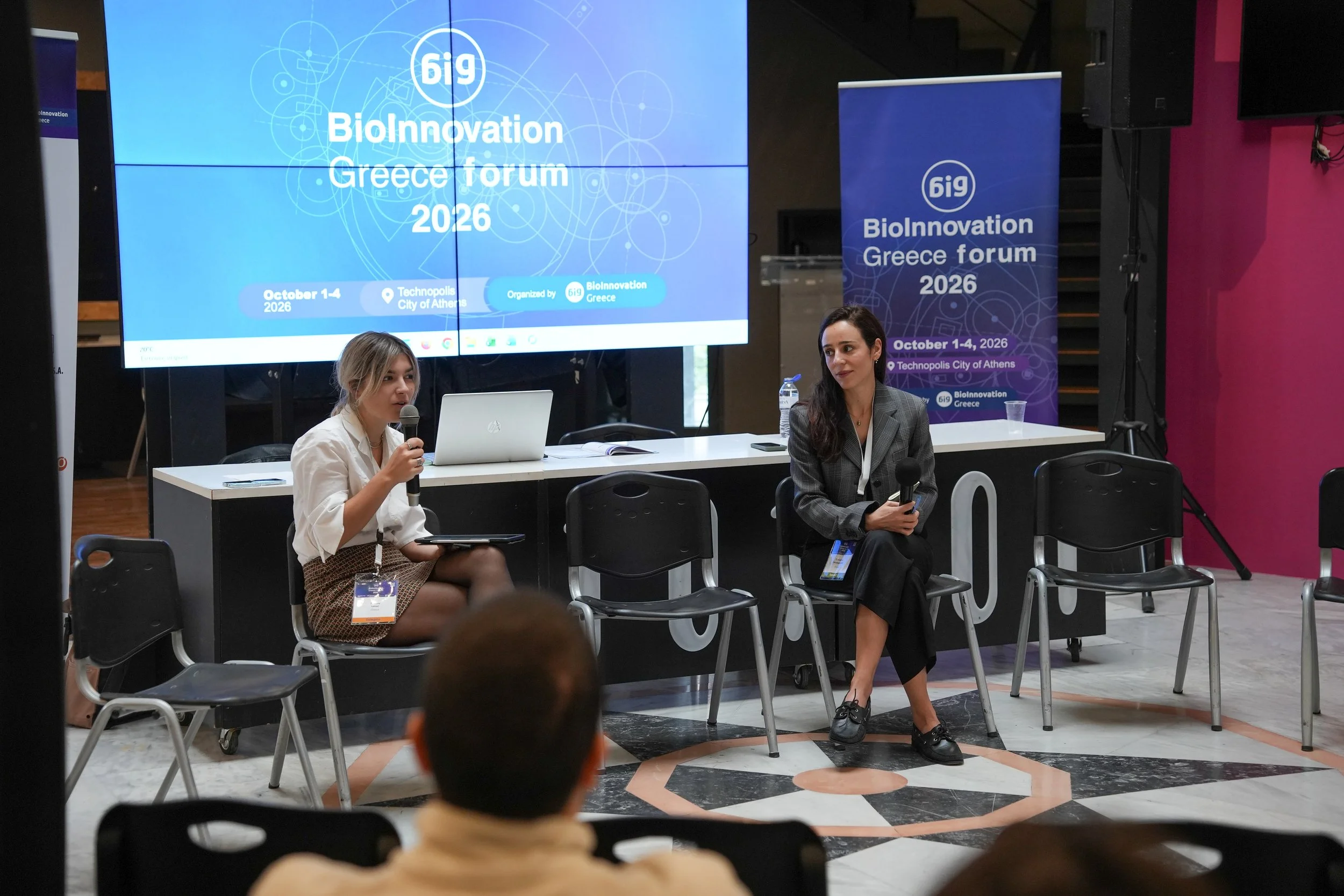
I was recently invited to run a workshop at the BioInnovation Greece Forum 2026, titled "Launching a Career in Biotech." The room was full of researchers and young scientists full of excitement and concern, preparing for their next step, many of them moving from the lab to industry. When we opened the floor for questions, one topic came up again and again: the CV.
That was no surprise. A CV is the first thing we prepare.
But soon enough the conversation moved to something harder to put on paper: their presence. How do I come across in an interview? How do I convey confidence when I am nervous?
I kept thinking about those questions long after the workshop ended, and after reflecting on this session, I felt the need to write an article.
A CV can get you into the room, but how you carry yourself once you are there decides whether people trust you and give you room to ask for what you deserve.
Your CV Gets Seconds.
In an eye-tracking study by the job site Ladders, recruiters spent around seven seconds on their first scan of a CV.
Often, you're not even the first reader: many companies already use AI tools that scan and sort CVs before a recruiter looks.
But even if machines do the sorting, the CV is the entry ticket. What will set you apart, if you get invited, is the conversation, and those few minutes in the room matter more than anything.
But how do these minutes matter?
Trust Comes First
When we meet someone new, we quietly ask two questions: can I trust this person's intentions, and can they act on them? Susan Fiske, Amy Cuddy, and Peter Glick call these warmth and competence, the two core dimensions of social judgment. We judge warmth first, and it carries more weight, because it tells us whether someone is likely to help us or harm us.
For scientists and engineers, this can feel counterintuitive. You are trained to lead with competence, and your CV already does that. In the room, the interviewer is asking something else. Will this person be honest with the team? Will they be good to work with when an experiment fails at 7 pm? Are they here for the right reasons?
This is why performing the "ideal candidate" often backfires. In a 2017 study of real hiring processes, Celia Moore, Daniel Cable and colleagues found that strong candidates who presented themselves as they truly saw themselves, weaknesses included, were more likely to receive offers than equally strong candidates who tried to fit an idealised image. People sense the gap between what we say and what we feel. When your words, your body and your intentions point in the same direction, people relax, and they start to trust you.
And this is where it connects to the question many of you were too polite to ask out loud: how do I negotiate salary and perks? Negotiation does not start when the offer arrives. It starts the moment you walk into the room.
As I told the bright minds in that room: imagine a first date where, within five minutes, the other person starts discussing the terms of the relationship, holiday plans, and which school your children will attend. You would probably reach for your coat. Yet many candidates raise salary, benefits, and remote days before the other side has even decided whether they are the right match. Timing is part of respect: first the connection, then the terms.
So How to Carry Myself in the Room?
A few practical steps I share with clients before an interview:
Take the time to prepare your intro. Describe who you are today in a few sentences. Don't just mention what you do; also share what moves you in your work and the values you hold as a person. Practice it out loud before you go in.
Arrive before you arrive. Take two minutes outside the room to breathe low and slow, and warm up your voice. High-stakes communication is not easy for your nervous system. Walk, switch off your phone, notice your surroundings, and breathe.
Greet people. Make eye contact with each person, use their names, and listen to their answer to "How are you?" Warmth is shown in small moments.
Tell the truth about your gaps. If you are moving from academia to industry, own it and say what you are doing to learn. Honesty about a weakness makes your strengths more believable.
Ask real questions. Ask about the team, the challenges, what a difficult day at work looks like, and what success looks like in a year. Curiosity signals that you are here to contribute, not just to collect an offer.
Do your research before you negotiate. Ask colleagues and people you know in the field, and look up salaries for similar roles. Then talk about the market, and what you want in connection to it. A fact-based ask is easier to say and easier to hear.
Final Thoughts
To all of you who asked me about CVs at BiG Forum: keep polishing them. They matter.
But remember that the CV is the invitation, not the conversation. Harvard negotiation professor Deepak Malhotra puts it simply: people will only fight for you if they like you and believe your intentions. If they sense you are only there for the package, every request feels like a demand. If they trust that you genuinely want to contribute, the same request becomes a conversation between two people who want this to work.
When people trust your intentions, they open the door a little wider. They listen when you ask. They make room for you.
So walk in as yourself. With respect for them, and respect for you.
Further Reading & References
Willis, J., & Todorov, A. (2006). First impressions: Making up your mind after a 100-ms exposure to a face.Psychological Science. Shows how quickly we judge trustworthiness, and how little extra time changes it.
Fiske, S. T., Cuddy, A. J. C., & Glick, P. (2007). Universal dimensions of social cognition: Warmth and competence. Trends in Cognitive Sciences. The research behind "intentions first, ability second."
Cuddy, A. J. C., Kohut, M., & Neffinger, J. (2013). Connect, then lead. Harvard Business Review. A practical take on balancing warmth and strength.
Moore, C., Lee, S. Y., Kim, K., & Cable, D. M. (2017). The advantage of being oneself: The role of applicant self-verification in organizational hiring decisions. Journal of Applied Psychology. Evidence that strong candidates gain from being authentic in interviews.
Malhotra, D. (2014). 15 rules for negotiating a job offer. Harvard Business Review. Why likability and trust shape how far people will go for you.
Bowles, H. R., & Babcock, L. (2013). How can women escape the social cost of negotiating? Psychology of Women Quarterly. How framing your ask around shared goals changes how it is received.
Cuddy, A. (2015). Presence: Bringing Your Boldest Self to Your Biggest Challenges. Little, Brown. An accessible book on showing up as yourself when the stakes are high.