
Silence will tear you apart. Not conflict.
We often perceive conflict as something that tears relationships apart. There are many cases where it leads to the disintegration of a company's C-suite or teams behaving like adversaries.
For many people, conflict is frightening and typically leads to either fighting back or avoiding the conversation. These responses stem from emotions like fear or shame but are often masked by protective behaviors.
Conflict can be scary. But when handled safely and skillfully, it often brings people closer and helps them flourish.
Teams that truly trust one another do not always seek harmony. They disagree, challenge each other, and express discomfort without fearing the end of relationships. This is like couples who stay together for decades; they experience conflict and disagree, but never let silence undermine their bond, knowing disagreement doesn't doom the relationship.
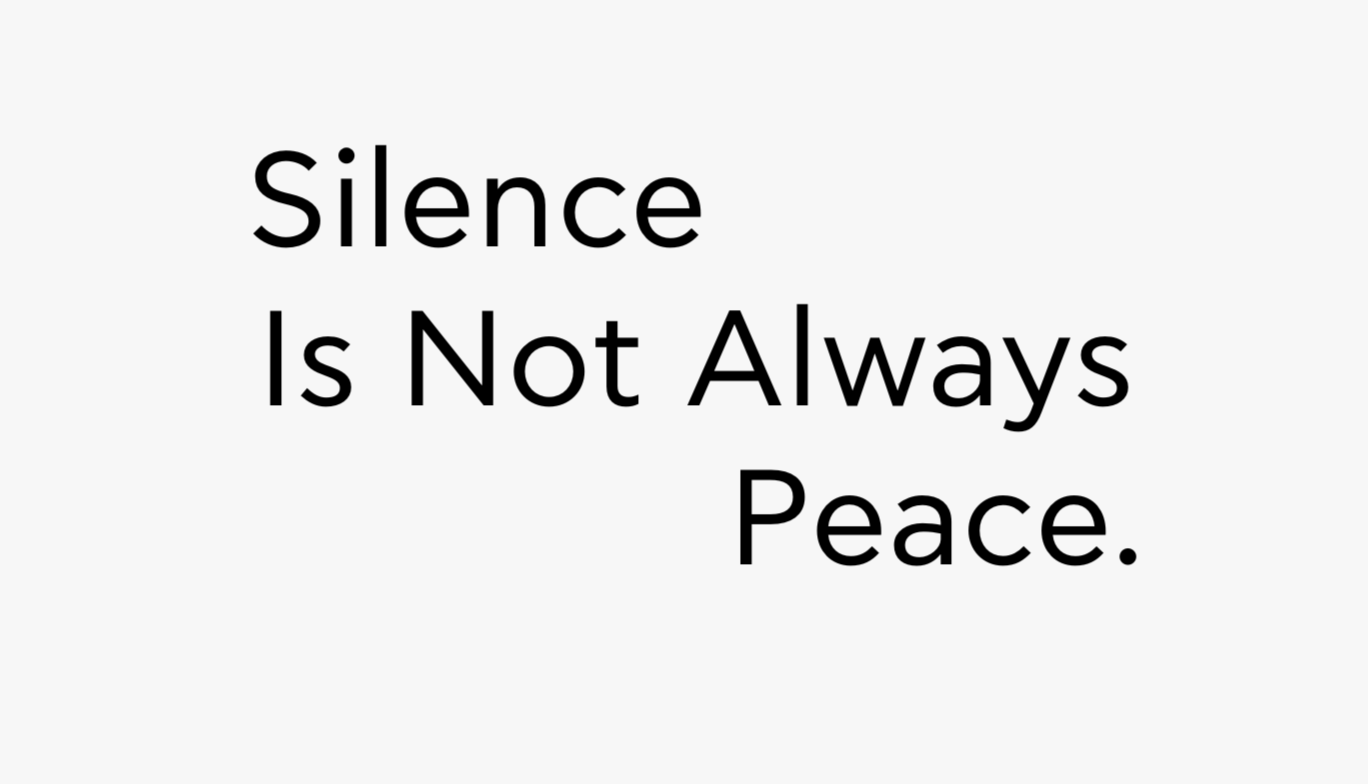
Silence fills a room when people fear that honesty may cost them. Once it takes hold, innovation slows, collaboration becomes superficial, and people stop bringing their whole selves.
In contrast, conflict creates friction. Friction leads to movement, and movement is the catalyst for change.
Over the years, I have observed that teams willing to confront issues thrive far more than those that prioritize comfort. When a team cultivates a genuine culture of psychological safety and is equipped with practical tools for dialogue and resolution, conflict transforms from a breakdown into a breakthrough. It becomes the space where differences evolve into decisions, and those decisions are probably the most needed.
Recently, at the HR Scale Up Summit in Athens, I had the pleasure of hearing the inspiring Irene Panagiotakopoulou, CHRO of Deloitte Greece, speak on this very topic. She shared a thought that "resonated deeply with me": "Silence is far more problematic than conflict." In great decision-making and change, conflict is an obligation because it ensures that decisions are made after dialogue and argumentation." I wholeheartedly agree.
When teams suppress disagreement, calm is often just avoidance. Silence only masks disengagement, resentment, and missed opportunities.
The Science Behind It
Research consistently shows that teams that engage in open, constructive conflict perform better.
A landmark study by Dr. Amy Edmondson at Harvard Business School found that high-performing teams do not avoid conflict; instead, they know how to navigate it. In these teams, individuals feel safe to disagree, challenge authority, and admit mistakes without fearing that their relationships or status will be jeopardized.
Other studies, including work by Jehn (1995) and De Dreu & Weingart (2003), distinguish between relationship conflict (personal tension that hinders collaboration) and task conflict (productive debates about ideas or strategies). The most successful teams embrace task conflict while staying connected.
When HR Becomes the Keeper of Culture
At Speakout, our primary role is to equip organizations and their HR teams with the tools, models, and research-backed practices that foster open dialogue, psychological safety, and effective conflict navigation. We teach how to leverage frameworks such as the SCARF® model and others to recognize and reward speaking up, encourage feedback, and cultivate the conditions for insight and innovation. Through training, facilitation, and ongoing support, we show teams how to build habits of participation, model humility, and make input easy for everyone.
Once these practices are introduced, HR’s crucial responsibility is to ensure they are continuously implemented and embedded into the organizational culture. As the keepers of culture, HR teams reinforce these tools, monitor their adoption, and create systems that encourage ongoing participation and learning. They help recognize and reward constructive behaviors, support the development of new habits, and keep the conversation open, ensuring the long-term success of the organization’s people strategy.
Final Thoughts
In the end, the question is never whether conflict will arrive. It will. What matters is how we respond, as individuals, as teams, and as organizations.
At Speakout, we empower teams and HR to face these moments with courage, skill, and openness. When HR keeps these tools and habits alive, and teams choose clarity over comfort, conflict becomes more than a challenge. It becomes the spark for progress, connection, and growth.
Further Reading & References
Edmondson, A. (2018). The Fearless Organization. Harvard Business Review Press.
Edmondson, A. (1999). Psychological Safety and Learning Behavior in Work Teams. Administrative Science Quarterly.
Jehn, K. A. (1995). A Multimethod Examination of Intragroup Conflict. Administrative Science Quarterly.
De Dreu, C. K. W., & Weingart, L. R. (2003). Task versus Relationship Conflict. Journal of Applied Psychology.
Morrison, E. W., & Milliken, F. J. (2000). Organizational Silence. Academy of Management Review.